

Science

Grand, Wild, and Terrific
Naturalist John James Audubon’s epic trip to Labrador in search of the Great Auk began in Maine.
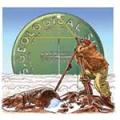
Discovering The Cornerstones of Maine’s Mapping History
Fixed geographical benchmarks, established more than 150 years ago, are the cornerstone’s of Maine’s mapping history.
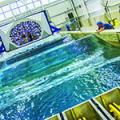
Forces to Reckon With
A first-of-its kind wind and wave stimulator at the University of Maine in Orono allows designers to test how marine vessels and sea walls will respond to weather conditions.
Why is the Ocean Blue?
Why is the ocean blue? Bigelow Laboratory For Ocean Sciences Senior Research Scientist Dr. William Balch tackles both the philosophical as well as the bio-optical angles.
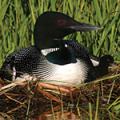
Oh the Loons
Loons are a triple-threat in the bird world: they are stunning to look at, possess a supernatural voice, and are skilled predators of fish. Their presence on a lake means it is healthy.
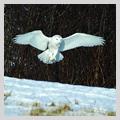
Bird Blizzard: Snowy Owls
Why has the snowy owl, a species of bird normally considered at home in the high arctic, been making an appearance in the Midwest and New England?
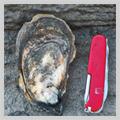
Resilient Shellfish
Maine has a thriving oyster growing industry. Until recently most of these oysters were raised from commercial seed. As the industry has grown and coastal water temperatures have inched up, cultured oysters have begun to multiply on their own, particularly in the brackish waters of the Damariscotta River.
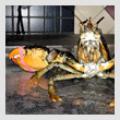
Water Ways: An Answer to Global Warming?
<strong> By Melissa Waterman</strong> - Could the tiny, gluttonous, carbon-dioxide-eating diatom really save the planet?
Maine Maritime Academy - Tidal Power
A proposed project on the Bagaduce could help power both MMA and the town.