Skip to main content
Stay in touch with the coast.
Sign up for our newsletter »
Main navigation
Home
Magazine
Back Issues
Current Issue
Departments
Design Reviews
Awanadjo Almanack
Boatyard Dog™
Editor's Notes
Letters to the Editor
Letter From the Publisher
The Maine I Love
From Whence We Came
Maine Course & Mainely Gourmet
On The Town Dock
Subscriptions
Change Address
Give a Gift
New Subscription
Renew Your Subscription
Sample Issue
Boats
Boats Of The Year
Design Reviews
Features
New Launches
Refits
Yards
Homes
Art and Culture
Food
Gardening
Living Spaces
Harbors
Aquaculture
Features
Freshwater Features
History
Profiles
Science
Small Adventures
Show
Show Info
Exhibitor Info
Press Info
Volunteer
Tides
Rockland Harbor
Portland Harbor
Boothbay Harbor
Kittery Harbor
Southwest Harbor
Eastport Harbor
Blog
Store
Search
Search
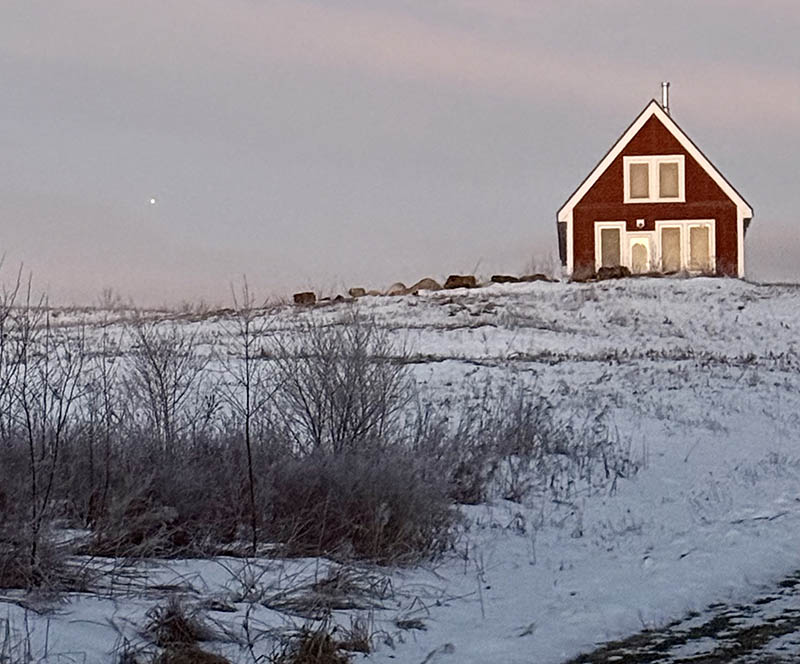
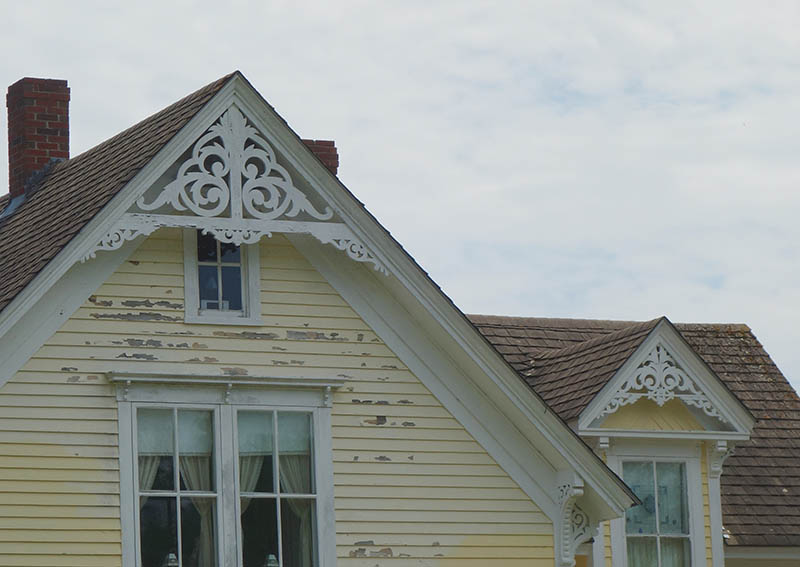
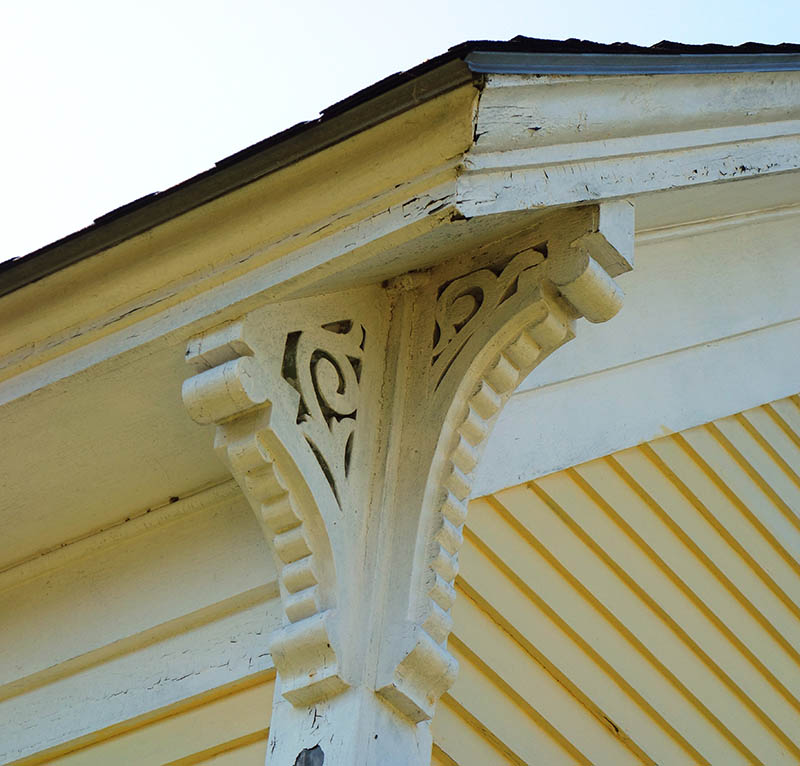
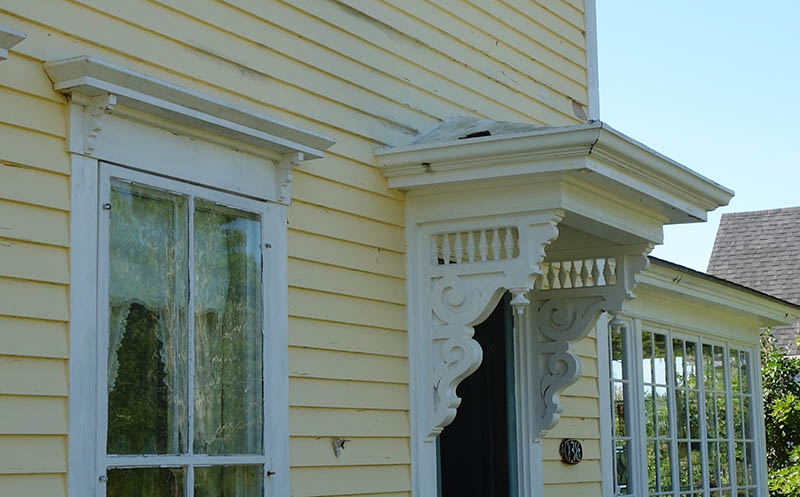
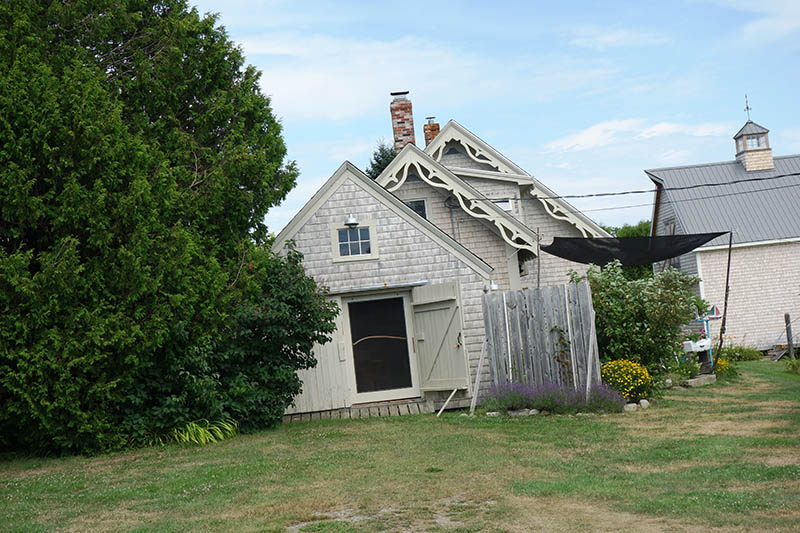
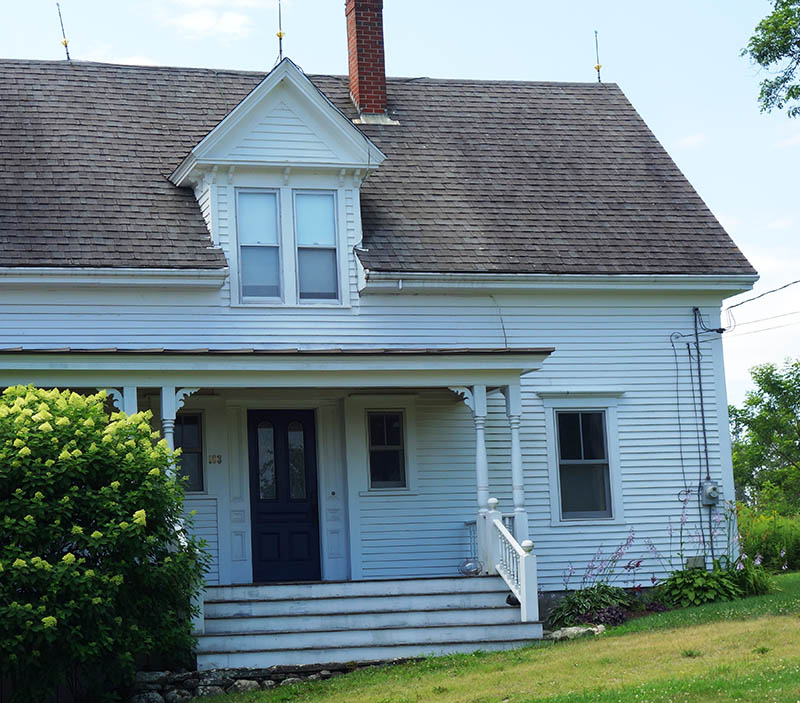
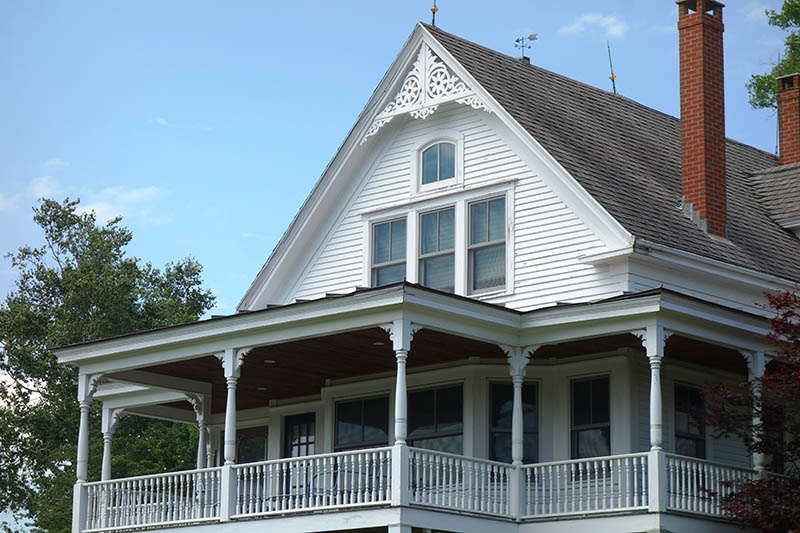
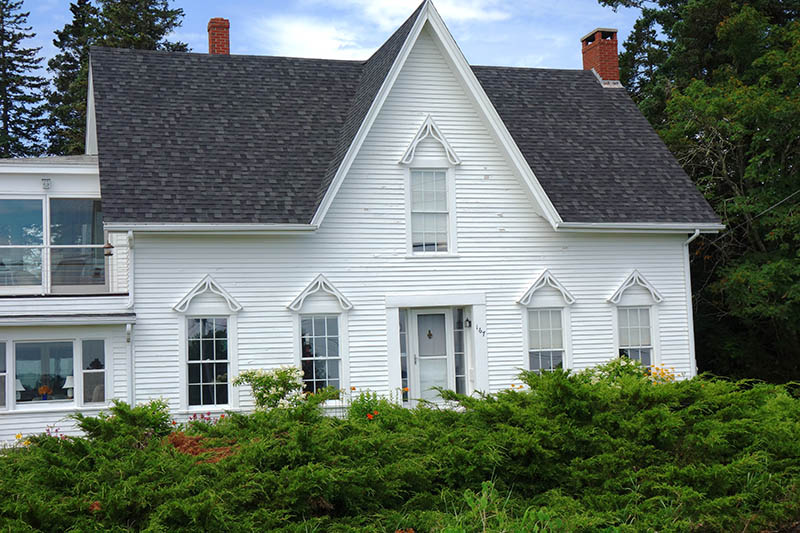
Maine I Love — Brad Burns
Previous
Next
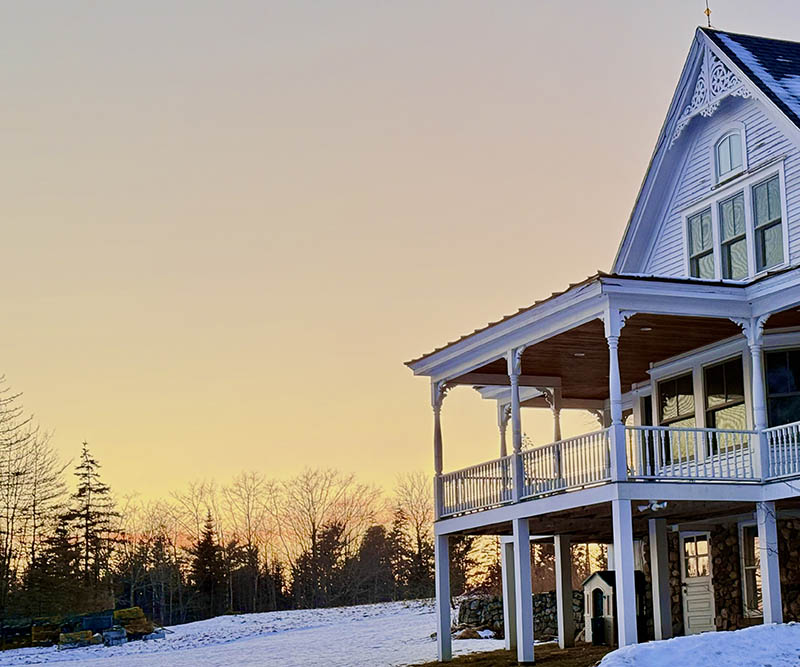
Photograph by Brad Burns
Stay in touch with the coast! Sign up for our newsletter: